| |
 |
Lute instruments review |
 |
| General information >> |
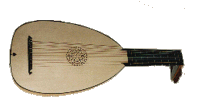 Renaissance Lute Renaissance Lute
[Image 1] [Image 2]
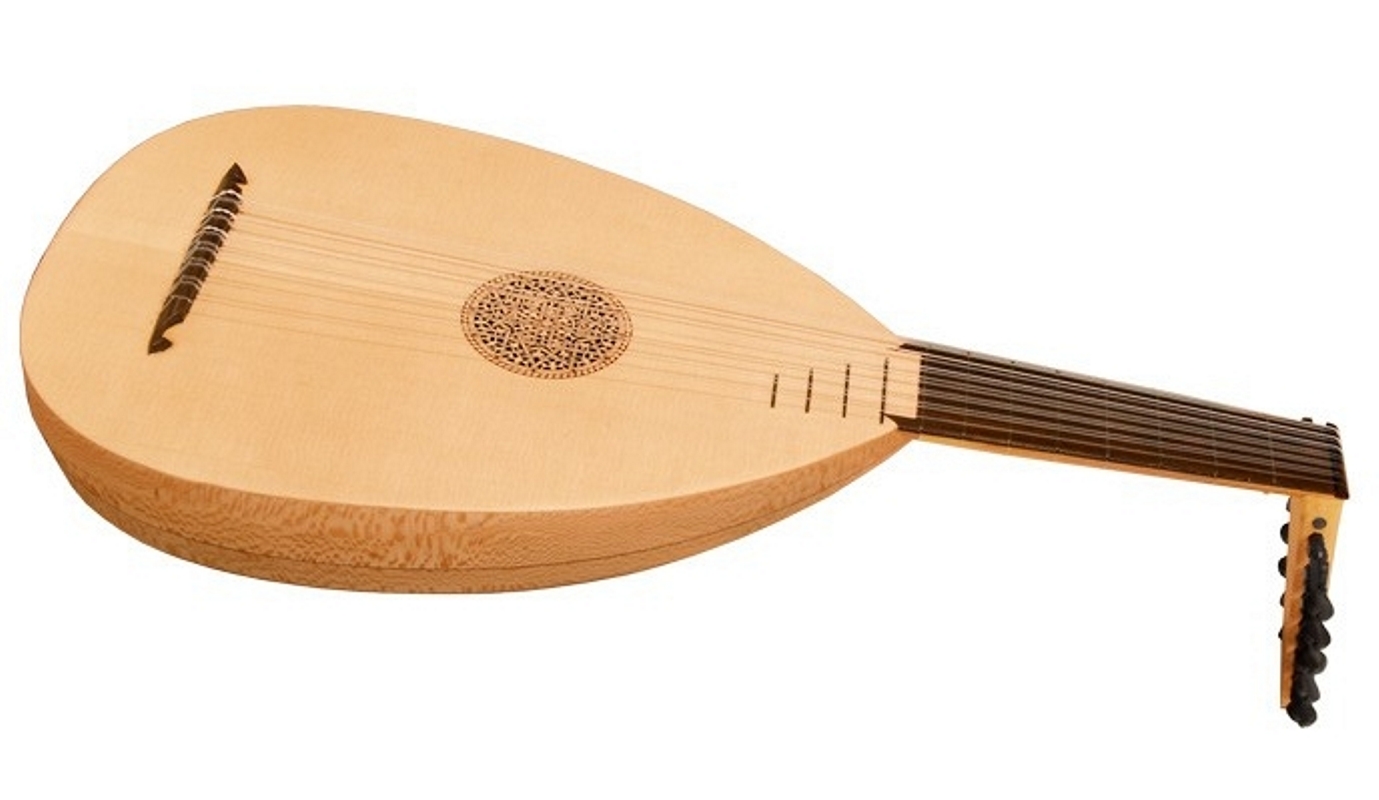
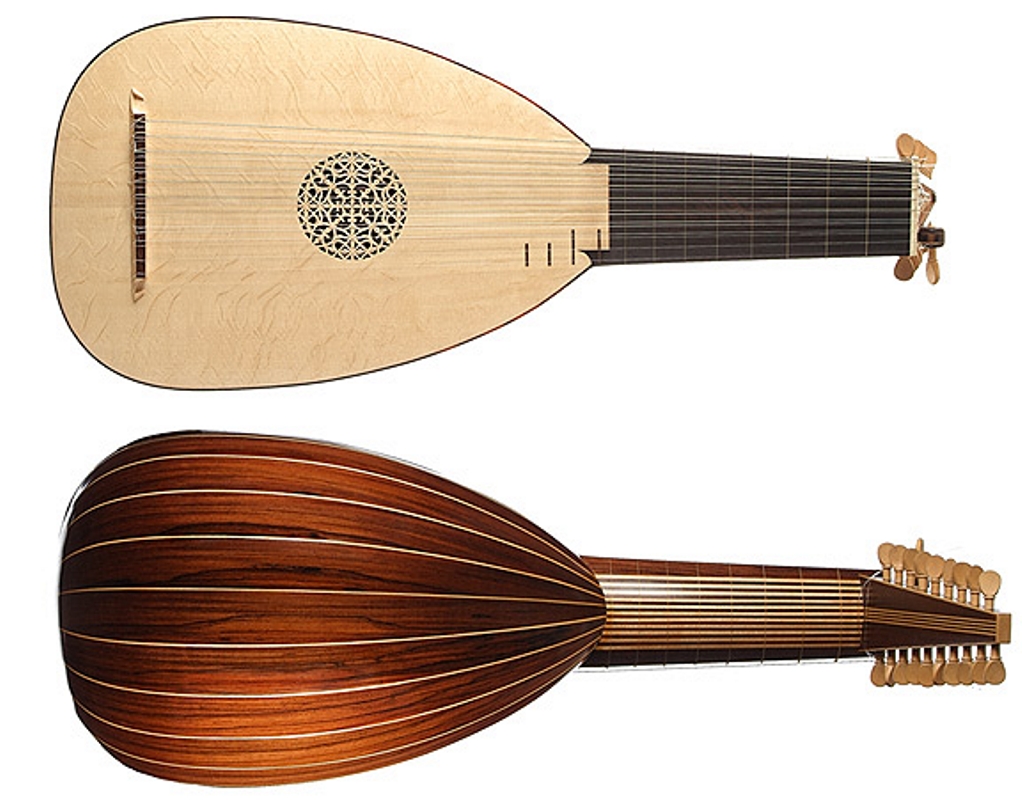
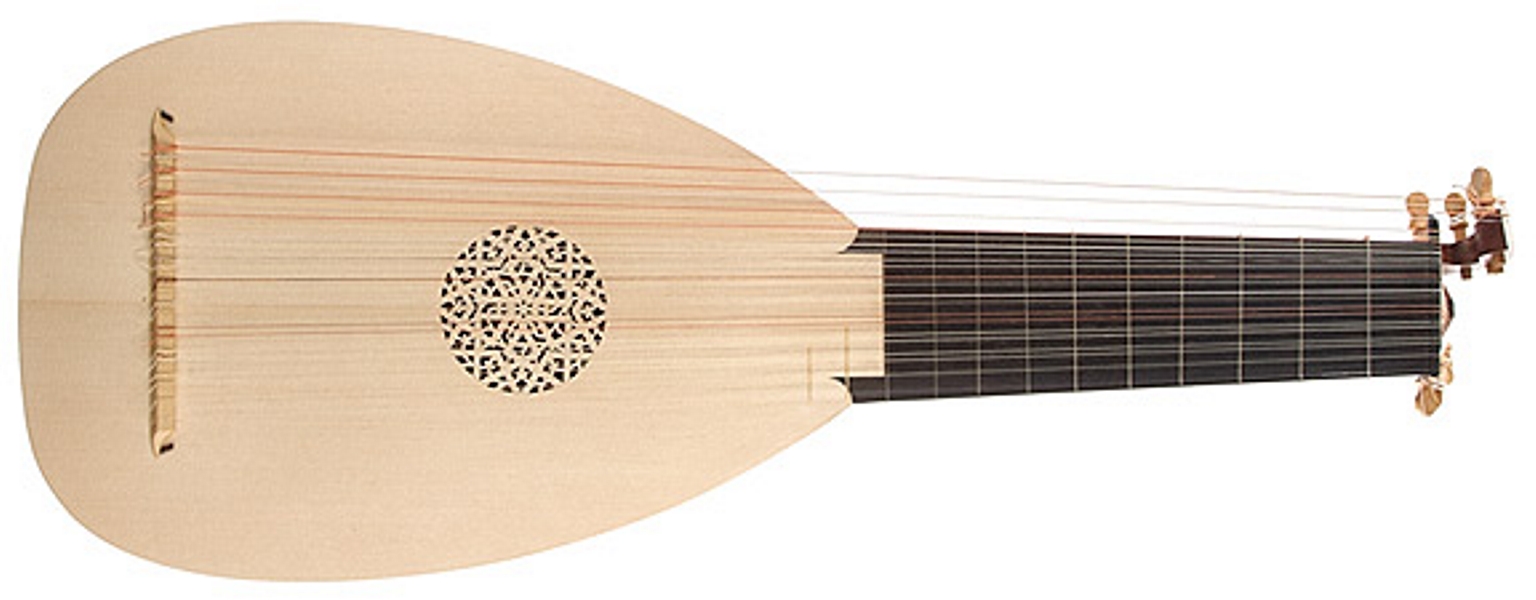
Traditional Renaissance Lute. Different kinds have 7, 8, 10, 11, 13
courses respectively 13, 15, 17, 19, 21 strings. Of course, these
are only the main kinds. In reality there is a lot of different variations.
|
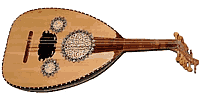 The Oud (Ud) The Oud (Ud)
[Image 1] [Image 2]
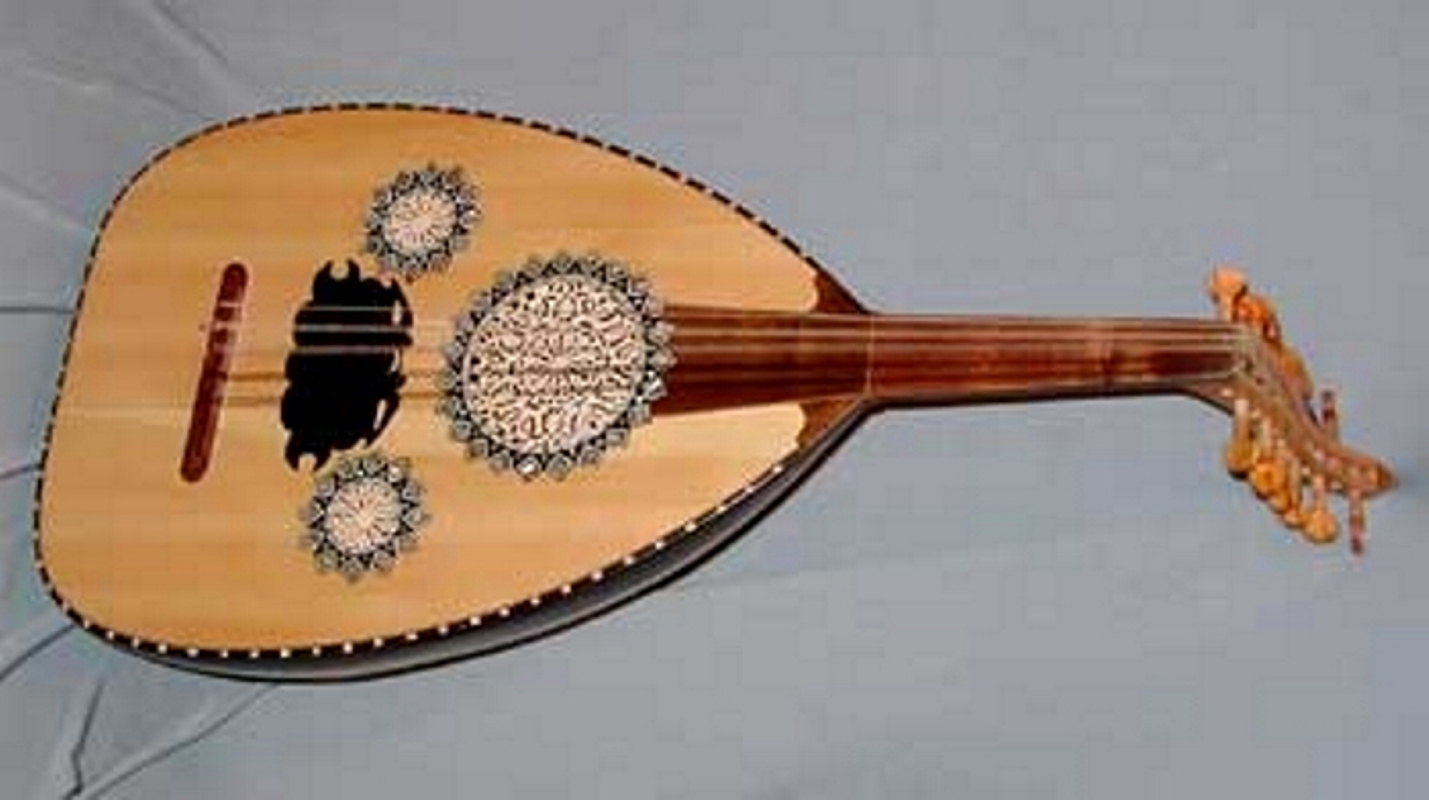
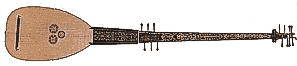
The oud (or ud) is one of the most popular instruments in Middle Eastern
music.The European lute is a descendant of the oud, from which it
takes its name (al-oud). In Greece it is known as the OUTI and in
Iran as the BARBAT. The most common string combination is five pairs
of strings tuned in unison and a single bass string, although up to
thirteen strings may be found.
More >> |
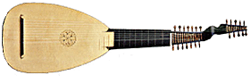 Baroque Lute Baroque Lute
[Image 1] [Image 2] [Image 3] [Image 4]
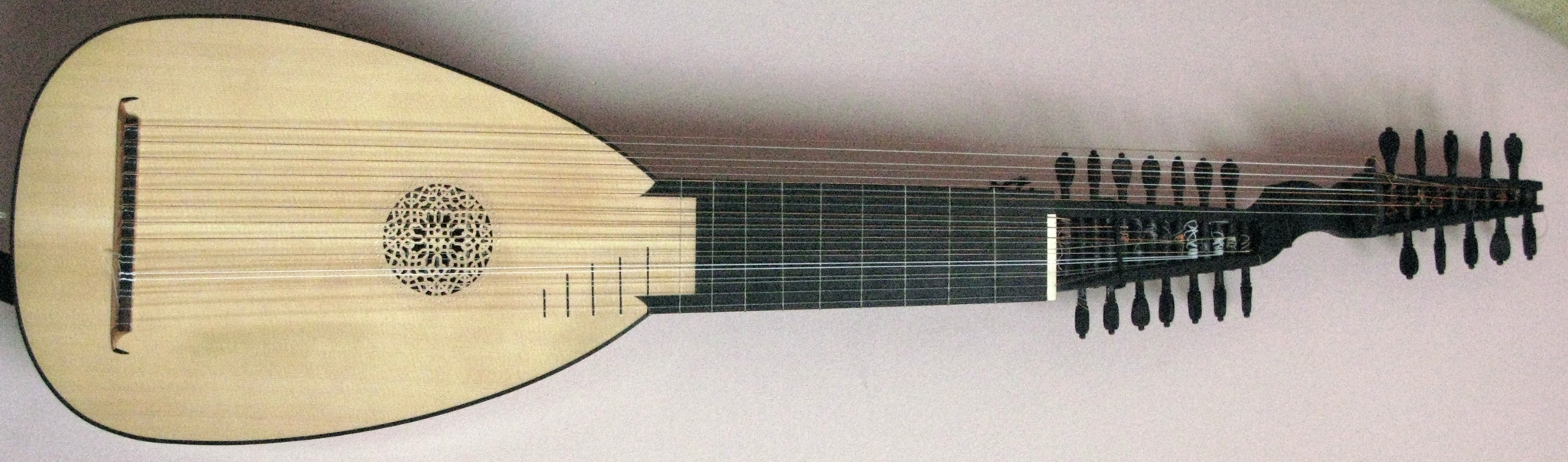
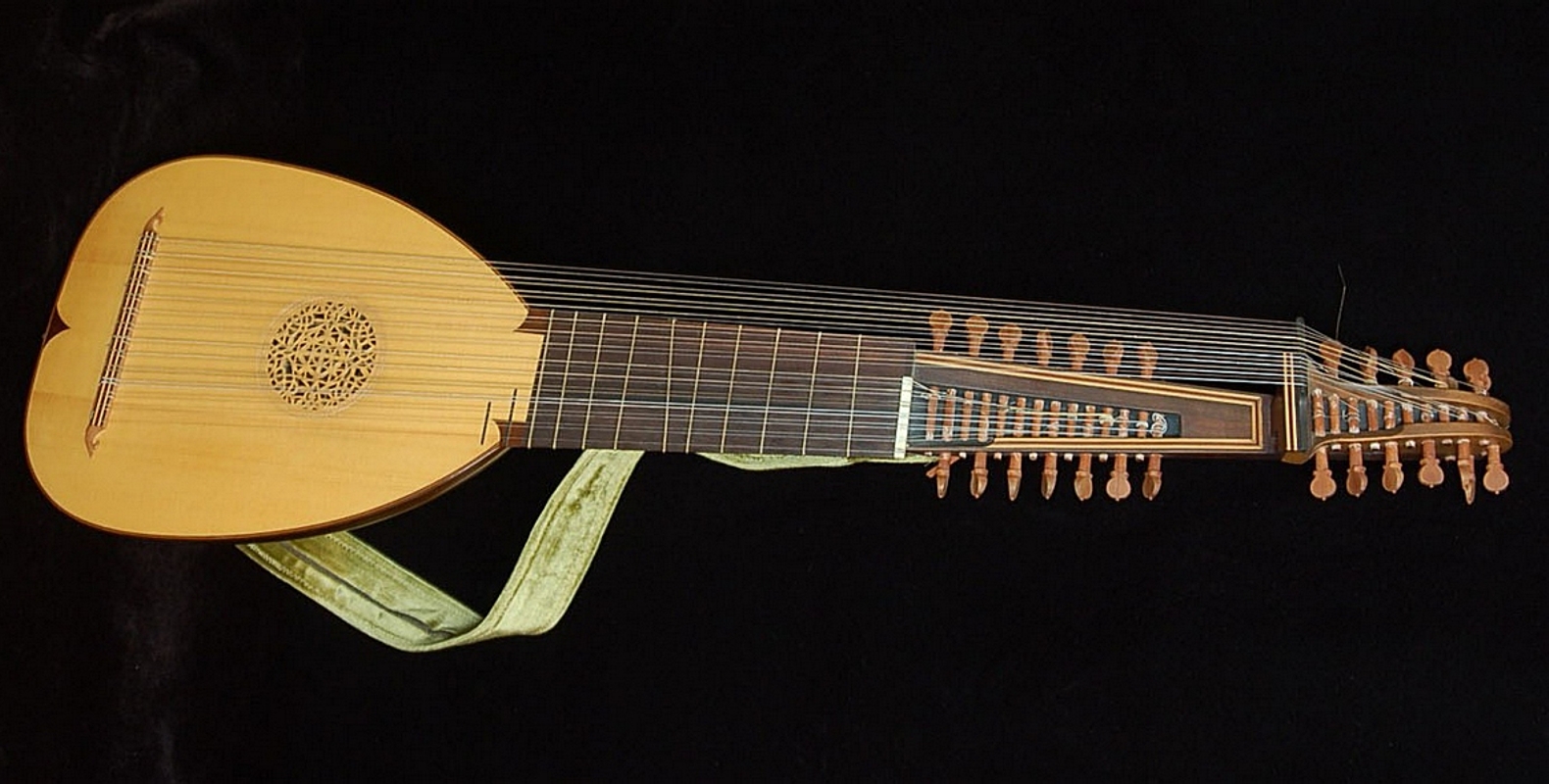
Baroque lutes appeared as a result of experiments with the tuning
approximately 1600 at the base of already popular Renaissance lute.
The Connoisseur of this instrument was Silvius Leopold Weiss. His
music is also the endpoint of the centuries-old lute tradition where
it was described as the noblest from all instruments. |
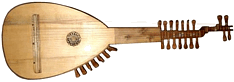 Torban, Kobza Torban, Kobza
Torban [Image 1] [Image 2] [Image 3]
Kobza: [Image 1] [Image 2]
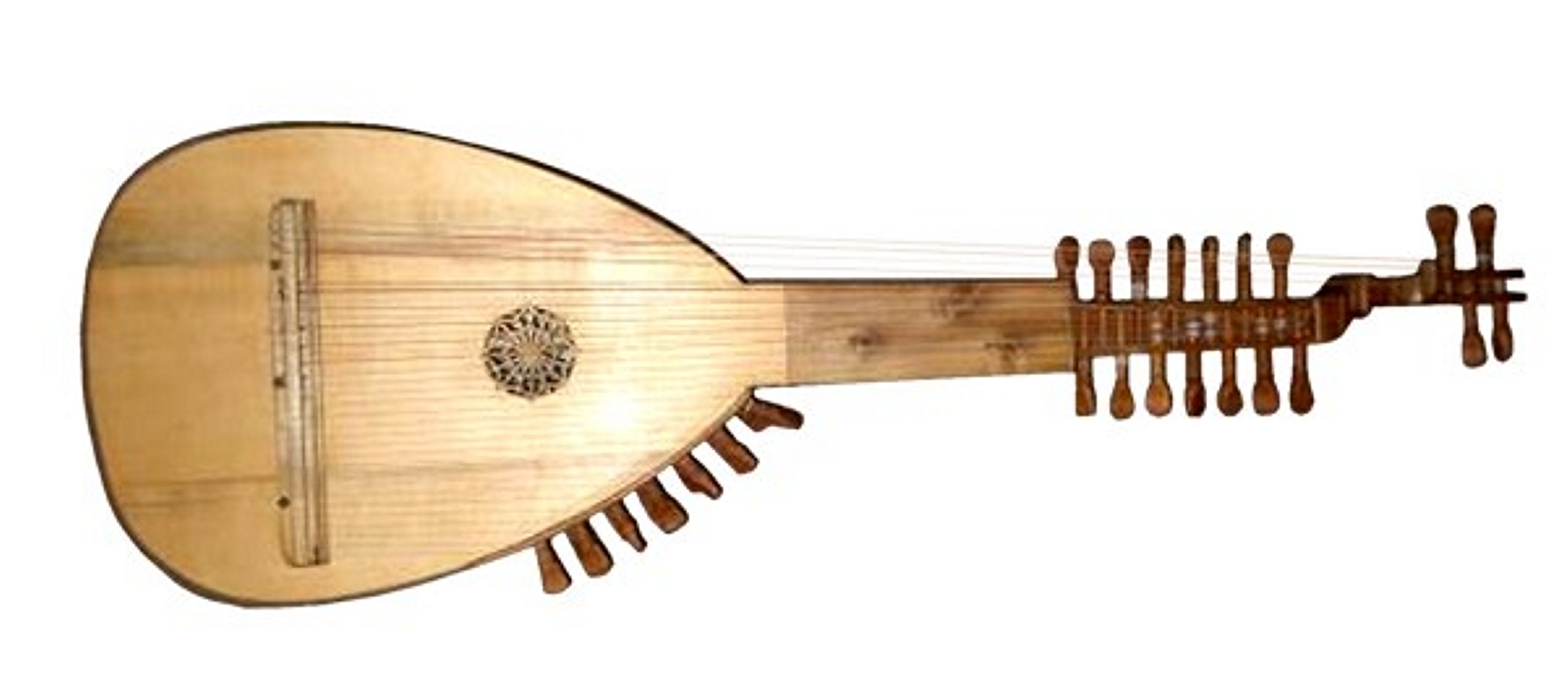
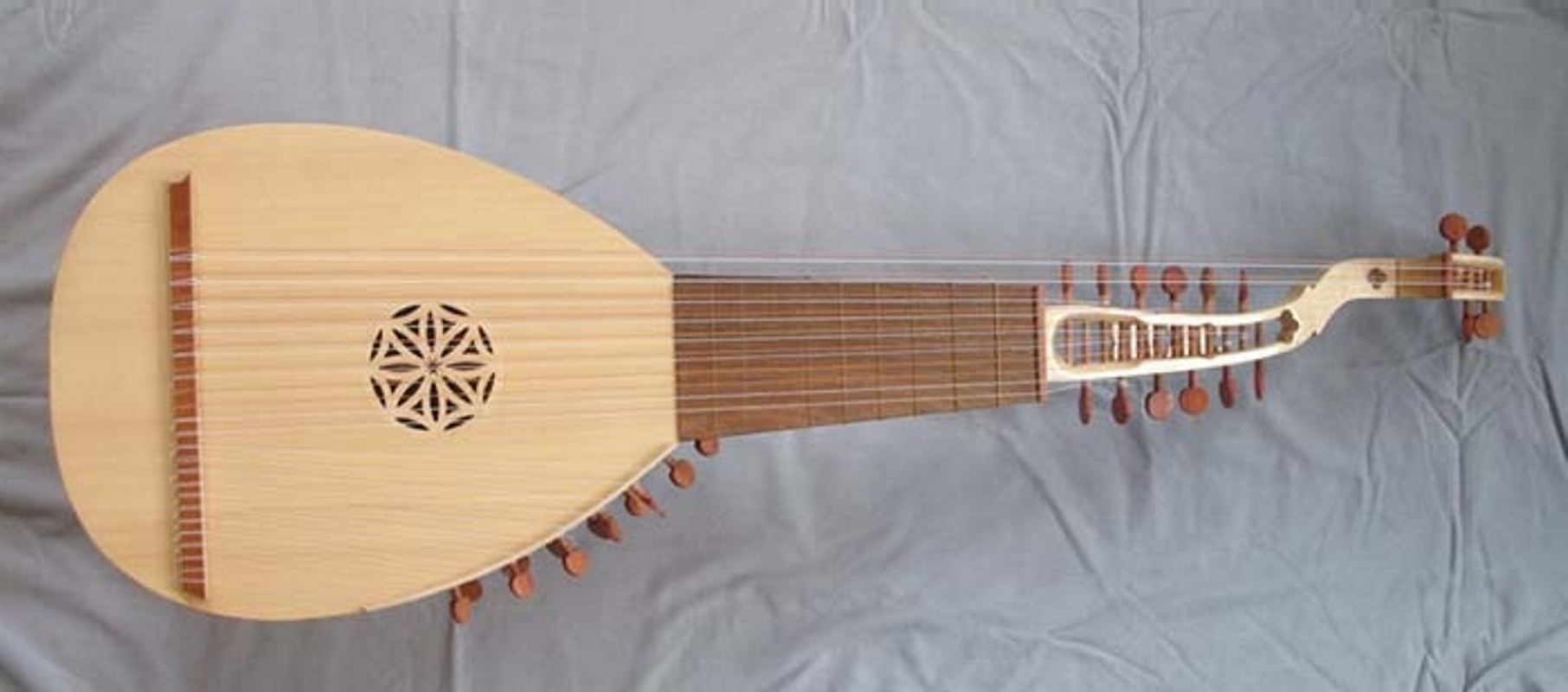
The most mysterious and, at the same time, surprising family and history
of early musical instruments.
More about torban >>
More about kobza >> |
 Theorbo, Chitarrone Theorbo, Chitarrone
[Image 1]
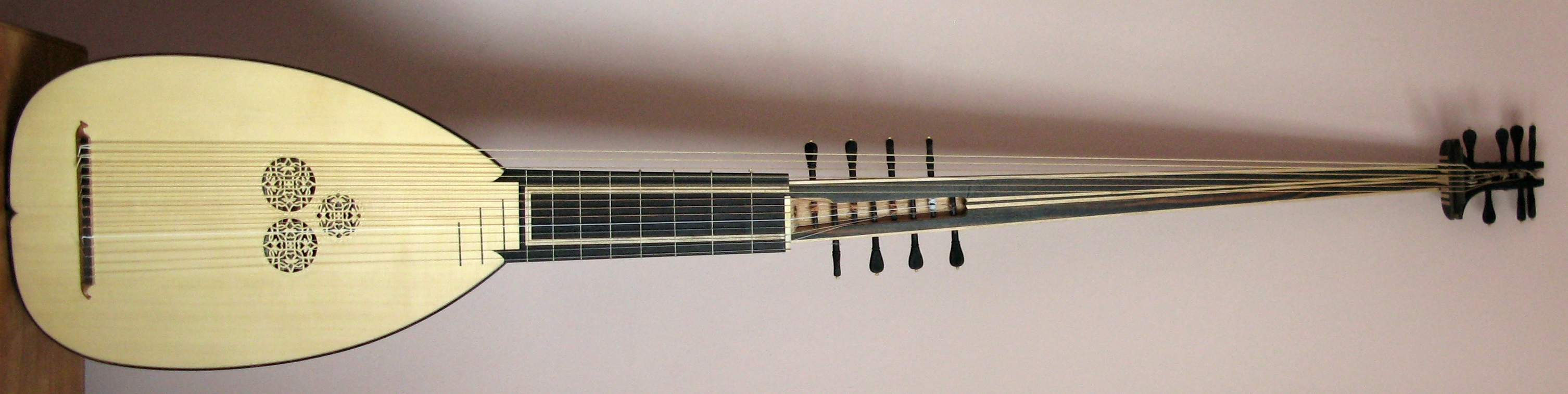
Lute family was continually developing Italian connoisseurs considered
that the usual Renaissance lute hasn't sufficient basses that's why
Theorbo was devised, which had bass strings. It was much disputed
but Chitarrone is the same Theorbo only with another tuning. |
 Cittern Cittern
[Image 1]
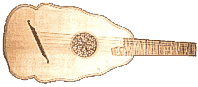
During the 16-th century Cittern was the second popular instrument
after the lute. The simplest Cittern form bad 4 courses, each had
2 or 3 strings. The
strings in each course were tuned in unison with the added octave
in some courses. Cittern had many tunings and forms and was often
repeatedly tuned from one piece to another.
More >> |
 Bandora Bandora
[Image 1] [Image 2]
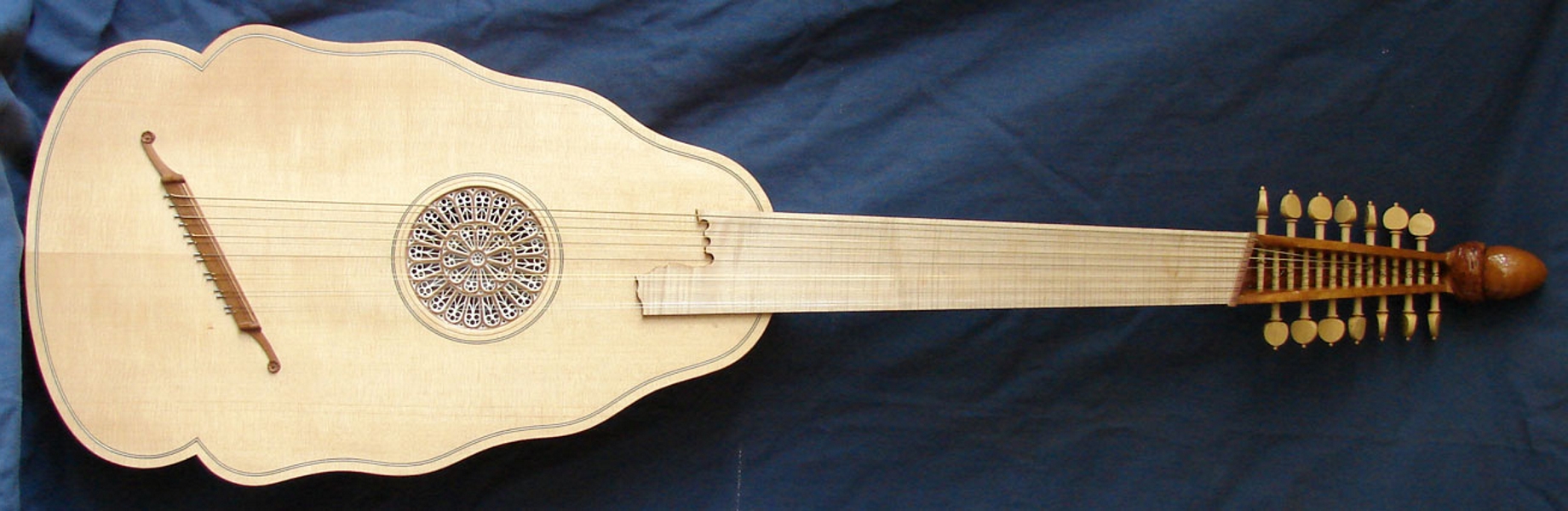
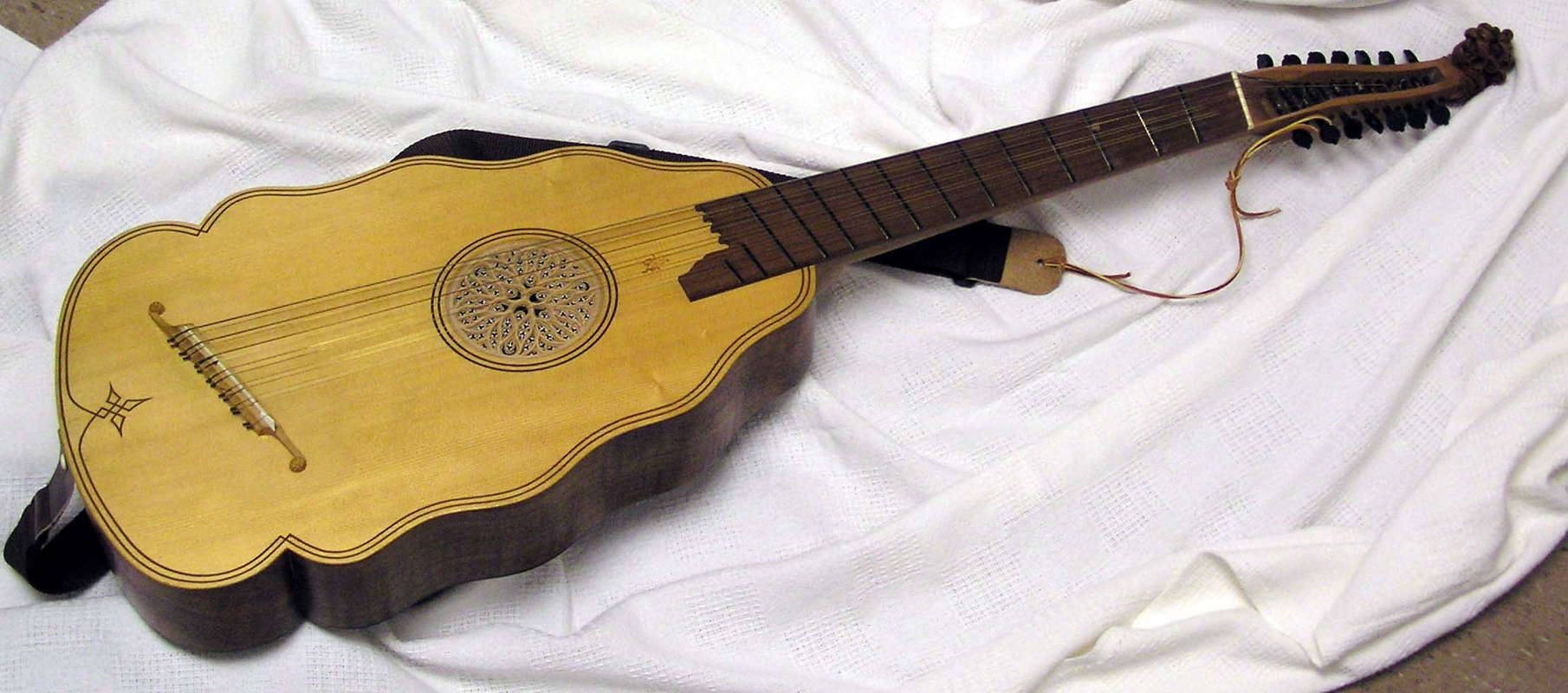
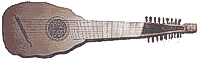
One of the oldest instruments from the lute family. There are keeped
very little of these instruments and there are very little performers.
That's why a very scant information. But modern performers keep the
traditions and have a comprehensive information.
More >> |
 Orpharion Orpharion
Orpharion is practically the same as Bandora. The main difference
is the string number and the tuning. |
 Lute
cantabile Lute
cantabile
[Image 1]
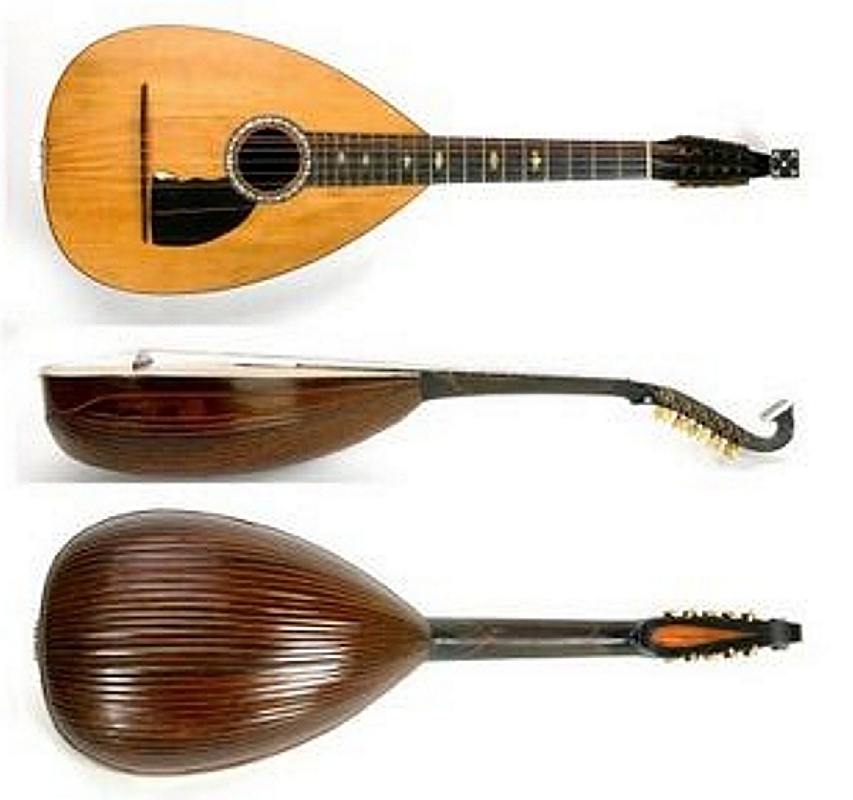
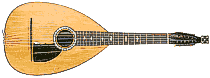
it is the tool of the Italian origin of last quarter of XГ»IX century
mandolin groups. It has five pairs metal strings with quint tuning,
as at the Milan mandoline. The sound is taken by mediator. Special
interest represents pear-shaped lower sounding board, typed of 37
narrow, slightly concave rosewood plates.
More >> |
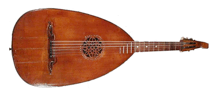 Wandervogel Lute Wandervogel Lute
[Image 1]
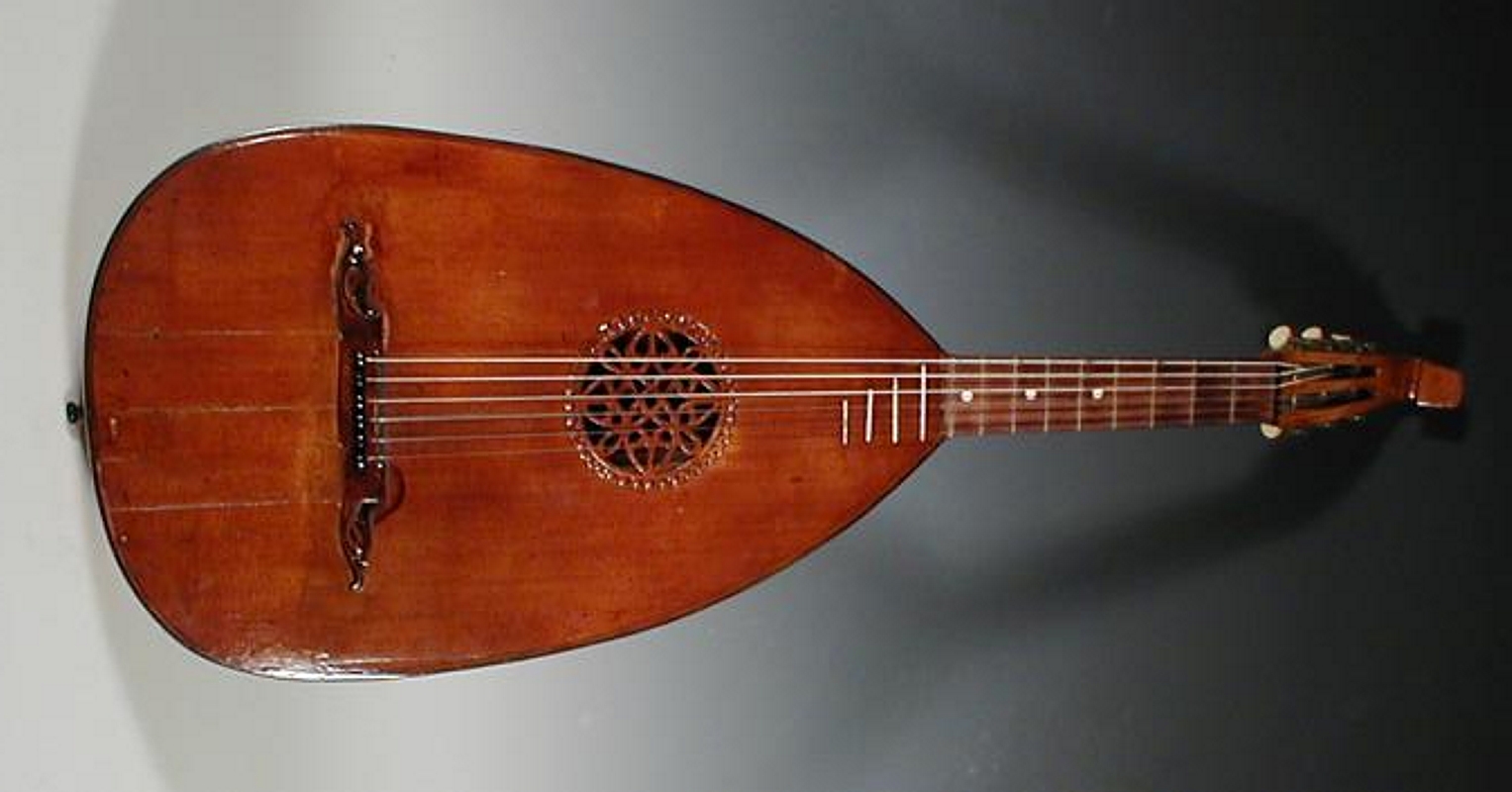
The instrument that looks like Renaissance lute but has 6 strings
as a guitar. The instrument was much discussed. But one is clear,
that this instrument was very popular from the middle of the XIX century
till the beginning of our century. |
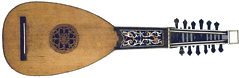 Mandore Mandore
(Baroque Mandolin)
[Image 1]
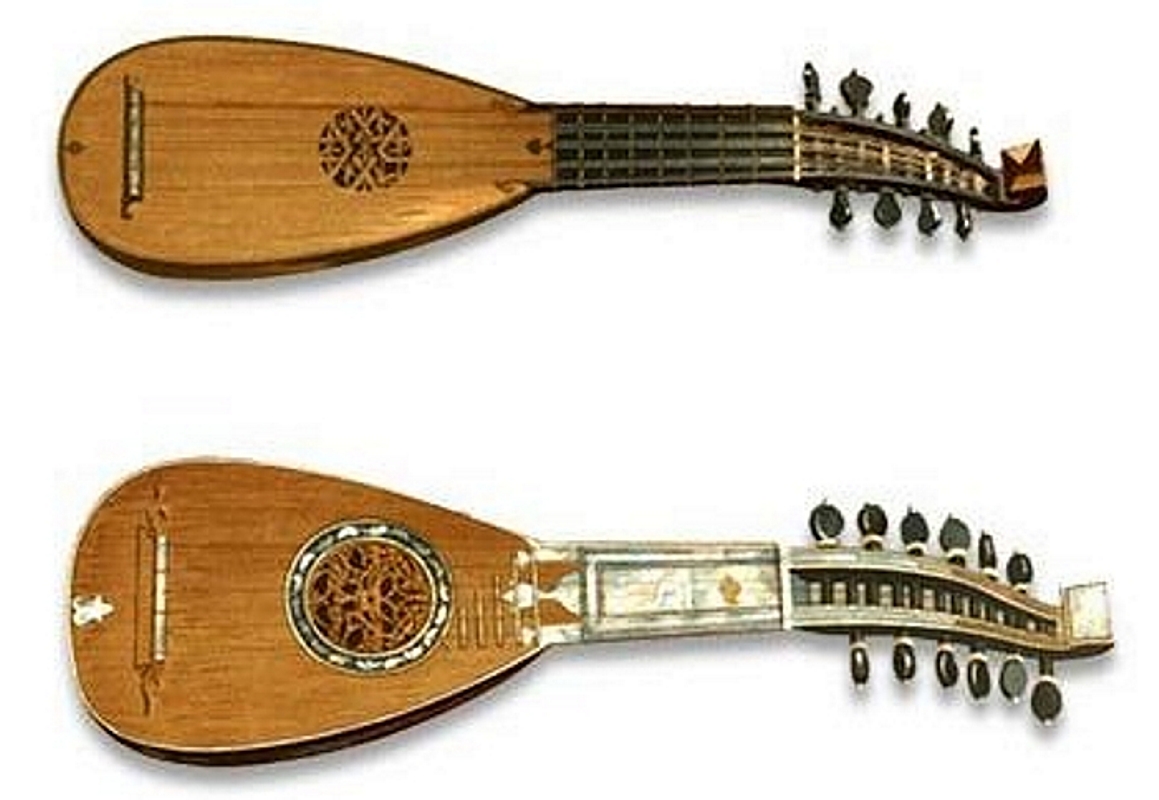
The name "mandore" first appears in French literature in 1585, and "mandola" in Italian in 1589 to describe a lute-like instrument. The name is probably derived from "mandorla" which is the word for almond in Italian. "Mandolino", a term first encountered in 1634, is the diminutive of mandola, meaning little mandola. Some of the oldest surviving mandolins were made by the famous violin maker Stradivarius in the late 1600s.
More >> |
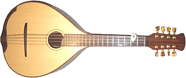 Mandola Mandola
[Image 1]
The mandola (US and Canada) or tenor mandola (Ireland, and UK) is a fretted, stringed musical instrument. It is to the mandolin what the viola is to the violin: the four double courses of strings tuned in fifths to the same pitches as the viola (C-G-D-A low-to-high), a fifth lower than a mandolin. However, the mandola, although now rarer, is the ancestor of the mandolin, the name of which means simply "little mandola".
More >> |
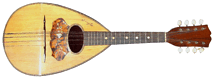 Mandolin Mandolin
[Image 1] [Image 2] [Image 3]
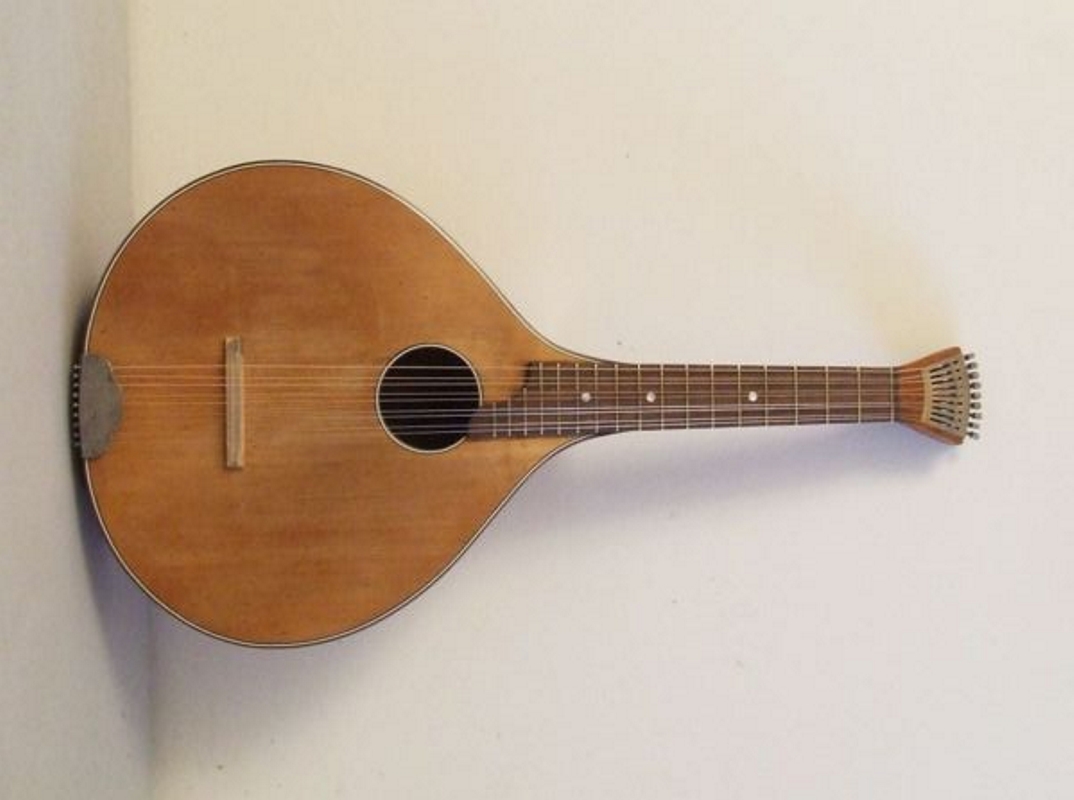
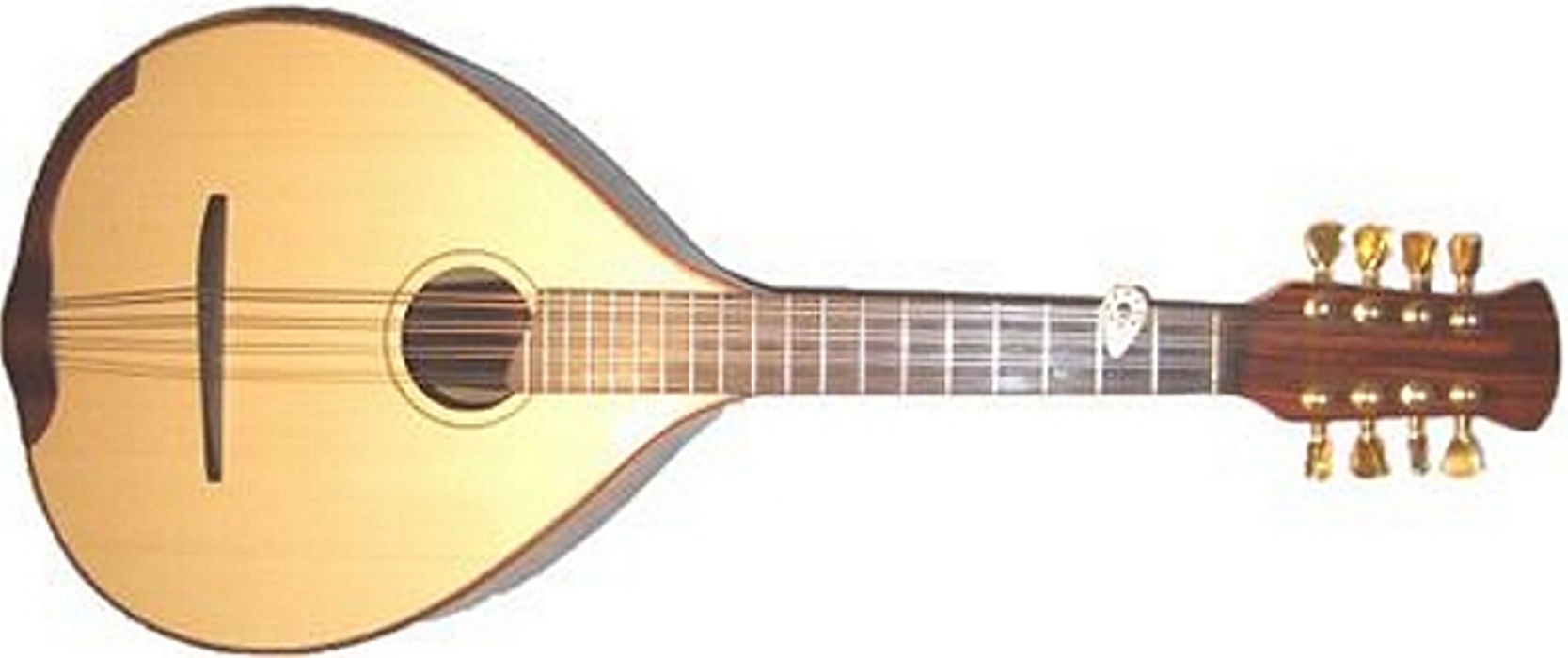
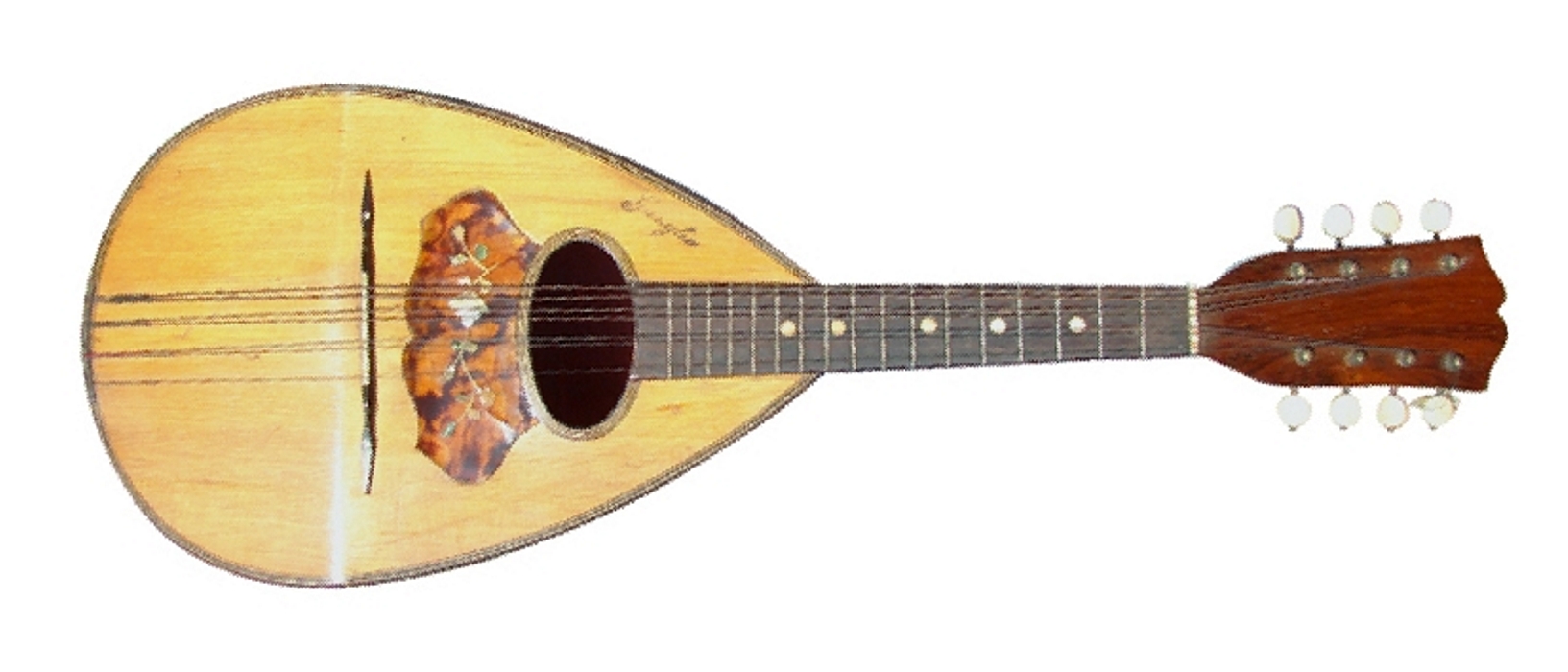
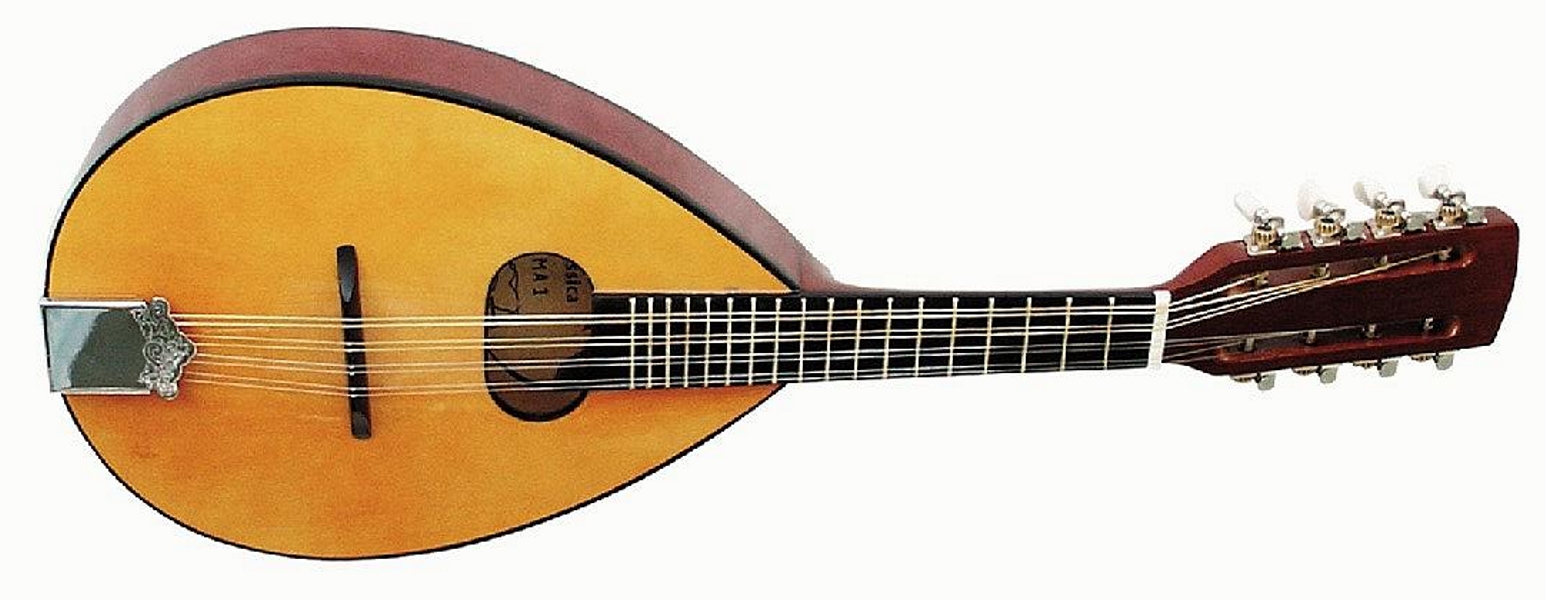
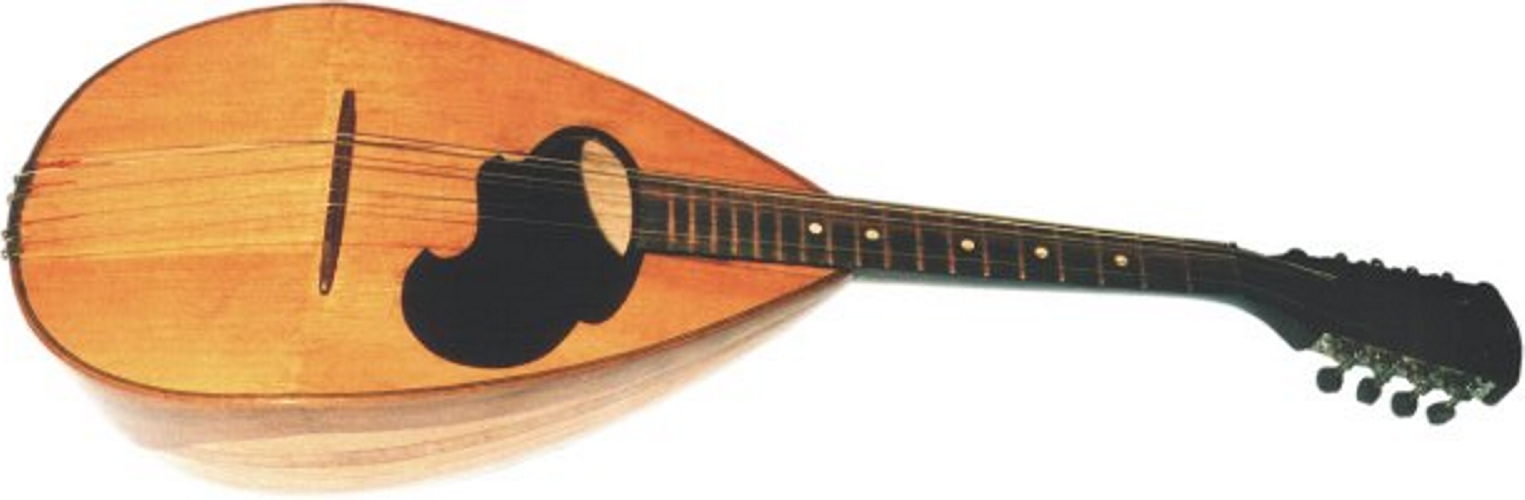
The instrument remindering the lute but of smaller dimensions. It
comes from the south countries of Europe. Widely distributed is the
Naples Mandolin with 4 courses, formed in unison and having violin
pith. Milan Mandolin has 5 courses. In contrast to the other lute
instruments mandolin is played with the mediator by tremolo. The modern
mandolin has metal strings.
.
More >> |
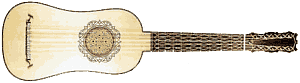 Vihuela (Biguela) Vihuela (Biguela)
[Image 1]
Vihuela - from Spanish guitar. This antique instrument besides of
solo was used in accompaniment. The accompaniment was recorded as
in our day's guitar parts in jazz and variety music in kind of letters.
It is played by fingers and by the mediator.
More >> |
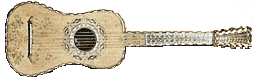 Baroque Guitar Baroque Guitar
[Image 1]
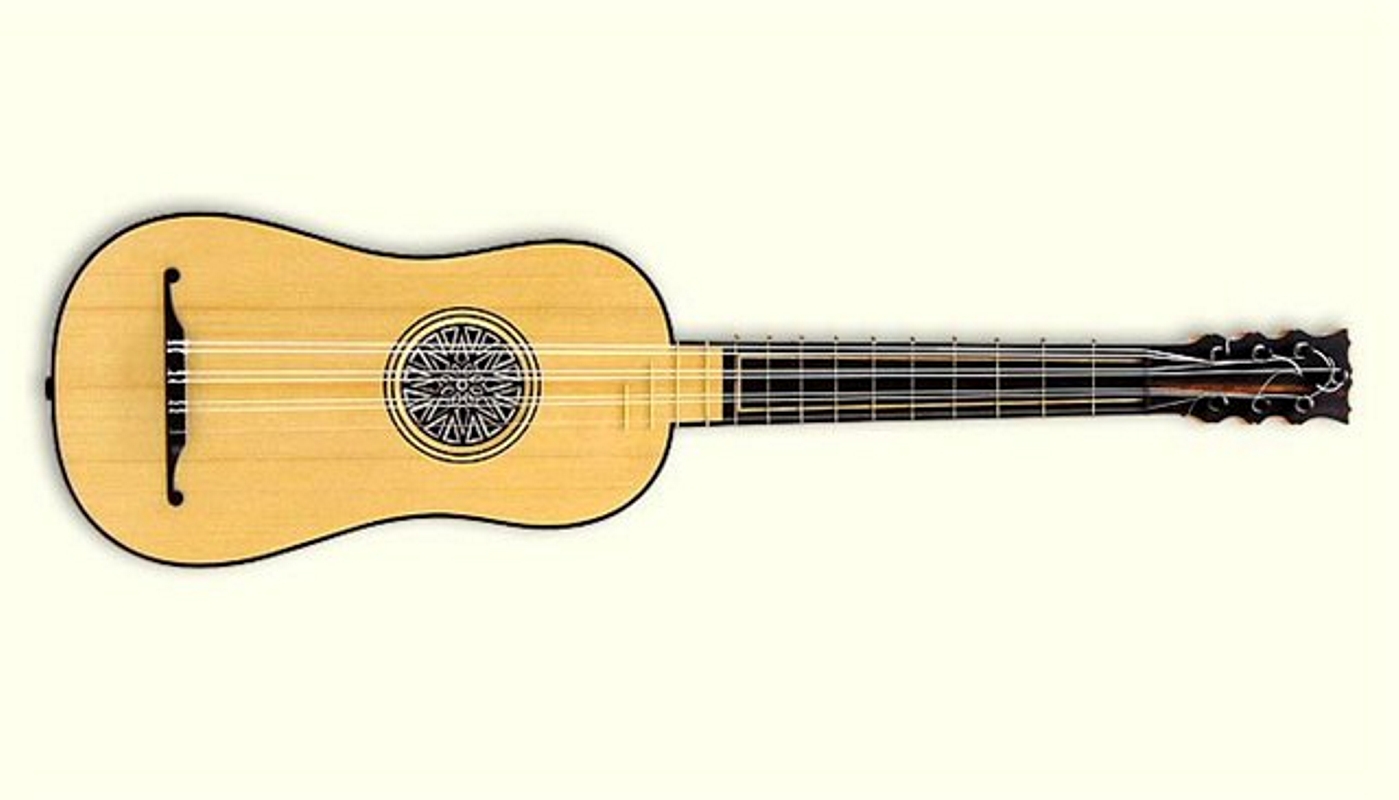
The name of the instrument speaks for itself. Of course, just this
instrument was the transitional model between the lute and the modern
classic guitar. But the contribution of this instrument into the world
culture is so large that the word "transitional" falls away.
More >> |
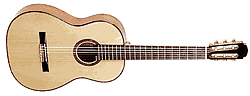 Classical guitar Classical guitar
Guitar is the stringed instrument played by plucking of the lute family.
At the and of the XVIII-th century the guitar looks like the modern
appearance: the sixth string is added (E), doulled strings are changed
to single strings. From this time the six-stringed guitar begins its
triumphal procession through the world countries. |
|
|
|
P.S.
For several centuries of lute instruments, there was some confusion in the names and classifications. This is most likely due to the fact that evolution took place in different countries. Each country's culture has left its imprint. Also affected the differences in languages and a slow exchange of information.
Is difficult to understand these intricacies, sometimes impossible, after so many years.
Some examples are:
Almost the same thing:
Bandora. Bandoro, Bandola (Spanish. Bandola, BandolпїЅn), Bandolon Bandura, Mandola
The name of the "Mandola" comes from the ancient pandura, also known by such names as "Mandora" and "Mandole", "Pandurina" and "Bandurina"
Vihuela - Biguela
Cittern, Cither (fr. Cistre, it. Cetra, sp. Cistro, Cedra, Cítola, ger. Cister, Zither)
Etc. etc.
|
|
|